

How Does a Doctor Get a Million Views Talking About Coffee Cups?
This past week taught me a leadership lesson I’d forgotten.
Two summers ago, I hired a young intern named Matt. He was studying media at TorontoMetropolitan University , full of ideas, curious, and eager to contribute. At the time, my head of social media came from the traditional media world. Matt didn’t “just take instructions” but rather, he asked questions, challenged the status quo, suggested alternatives, and wanted to experiment.
Fast forward to 2025. Growth had slowed. The landscape had shifted. And I realized something uncomfortable as a leader.
Sometimes the old guard, including me, is what holds progress back.
And so I brought Matt back in the Fall on a part-time basis while he finishes university this Spring, not to go viral, but to fundamentally rethink our approach.
Not because he’s young. Not because he’s trendy. But because he understands this world in a way I don’t.
On January 1, we intentionally relaunched with a new strategy. A new way of creating videos. Less polished. More direct. More human.
By the third video, something unexpected happened on Instagram:
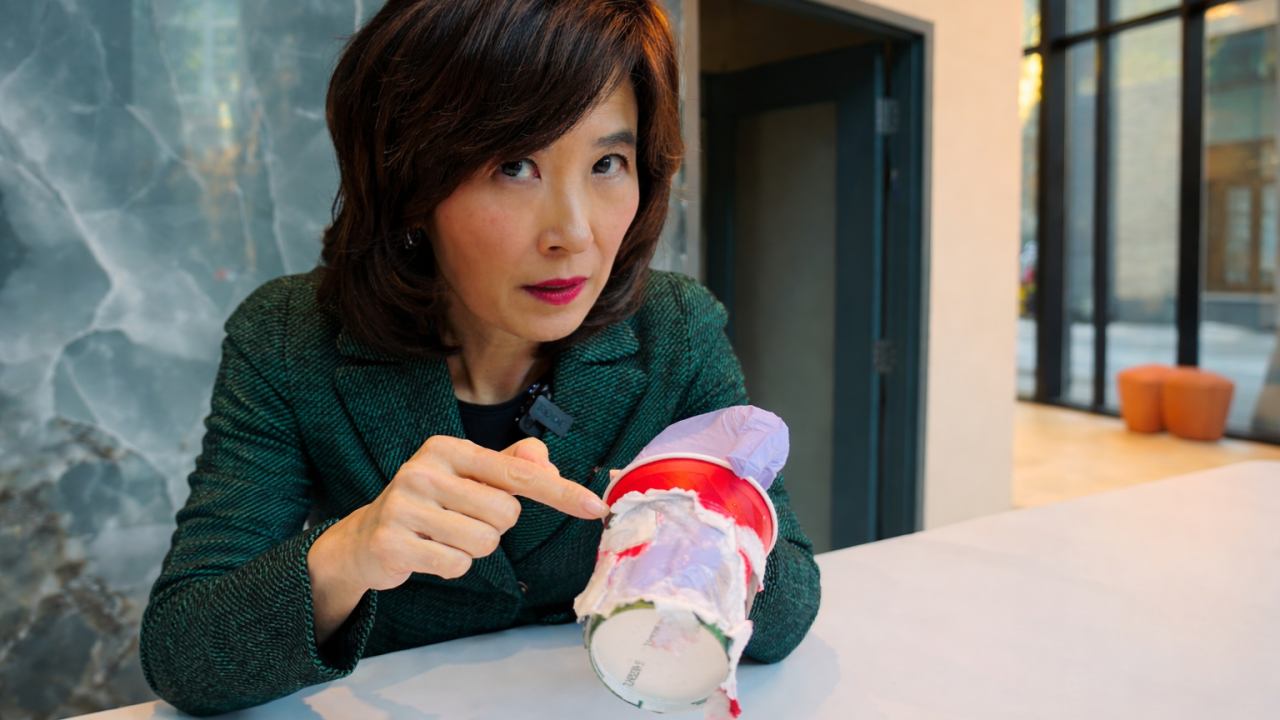
- A simple video about paper coffee cups crossed one million views.
- Another about rotisserie chicken is now around 70K (Jan 11th).
- We gained 10,000 new followers in a single week.
That’s when it really landed for me.
In an AI driven world, the traditional media playbook no longer works. Experience in it is no longer a competitive advantage in social. Often, it is a blind spot.
We cannot predict what skills we will need next, so the only viable path forward is to learn as we go, test fast, and be willing to get it wrong.
The rules for writing, shooting, and editing on social media are almost the inverse of traditional television. Which means years of training in the old model can quietly become a liability in the new one.
I want to be clear about why I’m writing here. Not for attention, and not for influence in the social sense. I’m here because this is where people are now getting their health information. And if those of us with training, experience, and responsibility don’t show up, others will.
I’ve made a personal commitment to show up differently. To stay science grounded. To be transparent about what we know, what we don’t, and what is still evolving.
I’ll use these same tools to correct misinformation when I see it, and to amplify what is true.
So, I want to share what I learned from Matt, not about going viral, but about what actually drives reach and impact now.
Here are the three things that made the difference:
1. Relevance beats brilliance.
The video was simple. It was about paper coffee cups, something almost everyone touches every day.
Relevance is the bridge between information and impact. People do not engage because something is scientifically impressive. They engage because it intersects with their life.
Coffee > plastics > health >longevity.
Start where people already are. Then take them where they need to go.
2. Authenticity now outperforms polish.
This one surprised me.
The more perfect content becomes, the more filtered and optimized it is, and the more people assume it is AI assisted, the more they distrust it. Over production now raises quiet questions. Is this real? Is this scripted? Is this even human?
What works better is a natural tone, slight imperfection, your actual voice, your real face, and real curiosity. People trust humans who feel credible, not perfection.
3. You must understand the machine, even if you don’t like it!
This is the part most professionals resist. The algorithm is not your enemy. It is your reality.
It rewards early attention, fast pacing, short formats, and content that feels native to the platform. It notices your device, your compression, and your willingness to experiment. And it does not care whether you like any of that.
The hardest part is this. Just when you think you have figured it out, the rules change again. We must stop trying to master it and start adapting faster than it does.
That constant change is not just a technical problem. It is a leadership one.
It is about being willing to bring in fresh talent who challenge you and see the world differently than you do. It is about letting go of outdated assumptions, making mistakes with people and not just with projects, and staying flexible when the ground is constantly shifting.
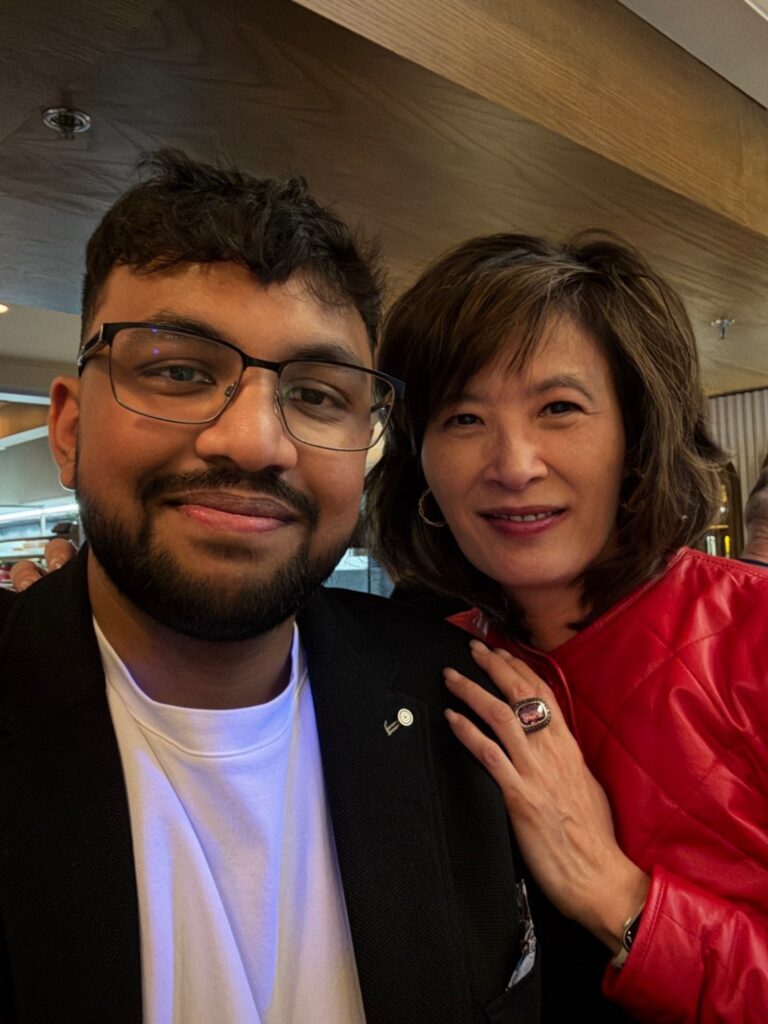
So yes, I brought Mathushan Ambida back. And I am grateful I did.
If you’re curious, I’ve linked the coffee cup video here so you can see exactly what sparked this reflection.
Leave a Reply